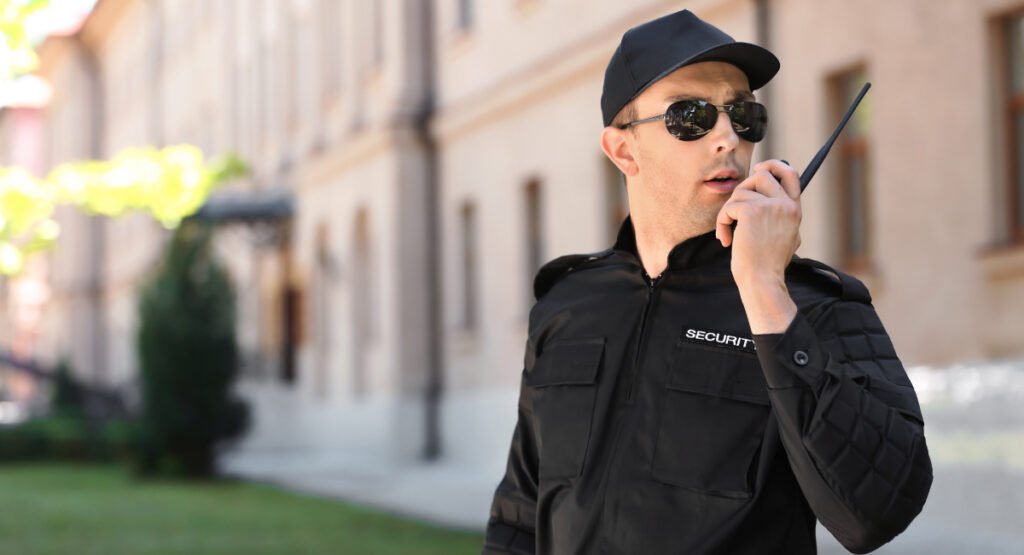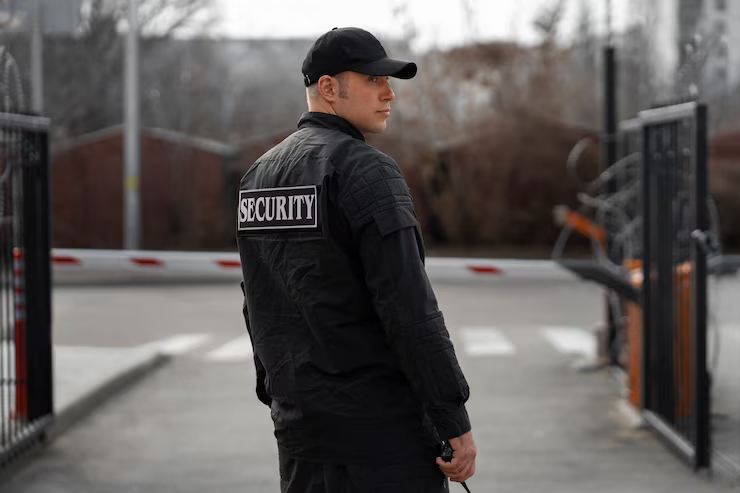
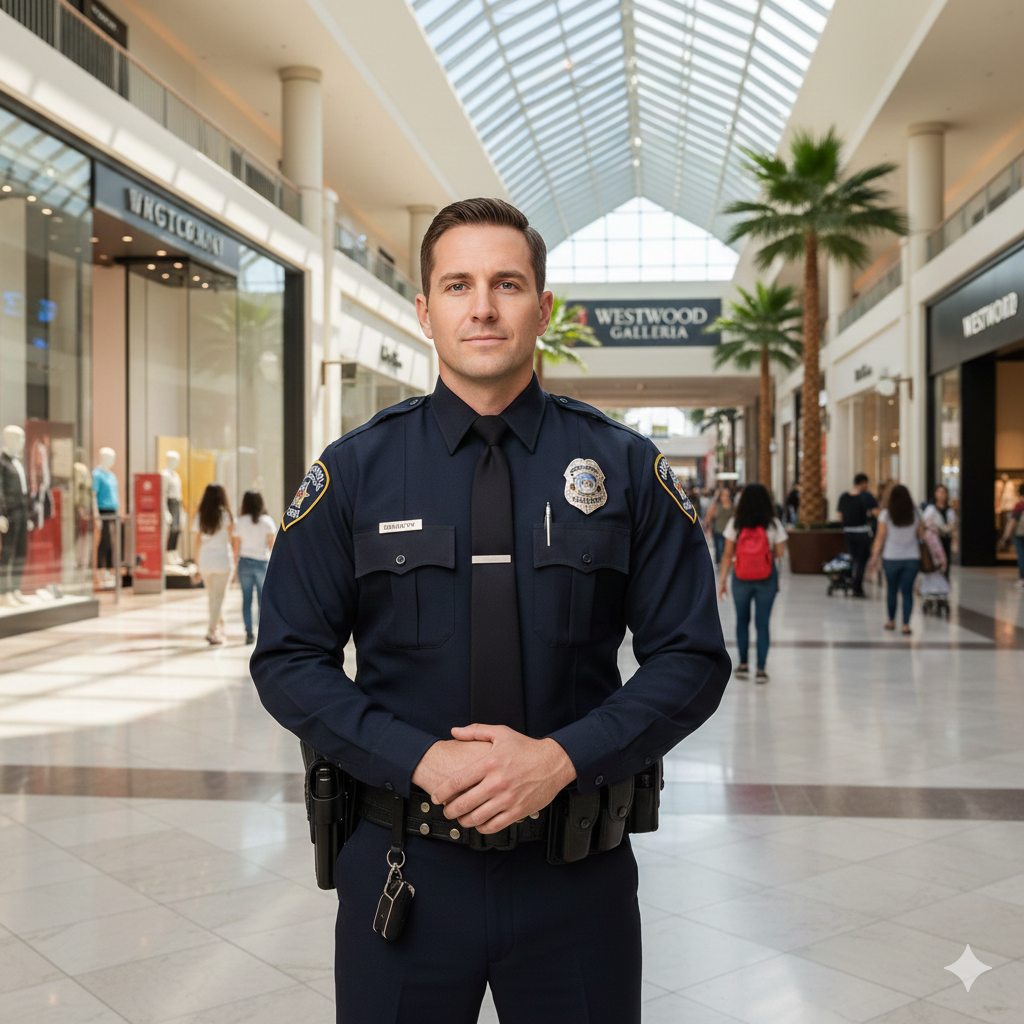
Mall security guards protect shopping centers by monitoring entrances, patrolling the premises, preventing theft, responding to emergencies, and helping customers—all while keeping the environment safe and welcoming.
What Does a Mall Security Guard Do?
Mall security guards are the first line of defense when something goes wrong at a shopping center. They protect the property, stores, employees, and shoppers while making sure everyone feels safe and welcome.
These guards prevent theft, vandalism, and unauthorized access while enforcing the mall’s safety policies. They need to be well-trained in security procedures, but they also need to think quickly when unexpected situations come up.
Mall security is different from other security work because guards need to balance being protective with being friendly. Parents should feel comfortable asking them for help. Elderly shoppers want assistance getting to their cars safely.
Because of the high level of trust involved, all guards must pass criminal background checks. In California, that means getting a BSIS guard card and meeting state requirements. Requirements vary by state, so check out security guard license requirements by state if you’re curious about other locations.
Types of Mall Security Guards
Not all mall security guards do the same job. Some malls assign guards to multiple roles, while others hire them for specific duties.
Here are the different types:
Unarmed Security Guards
Unarmed guards handle routine safety and customer service. They greet shoppers, answer questions, and watch for suspicious behavior. Their presence alone prevents most crimes from happening.
Armed Security Guards
Armed guards work at malls in higher-risk areas or locations with luxury stores. They need extra training and certifications to carry firearms.
Mobile Patrols
These guards conduct regular patrols throughout the mall and parking areas. Mobile patrols cover more ground quickly and can respond fast when incidents happen.
Static Guards
Static guards stay at specific posts like main entrances or high-value store areas. They control access, verify credentials, and monitor their assigned zones constantly.
Technical Operations Staff
These personnel monitor CCTV cameras, alarm systems, and other surveillance equipment from the security office.
Key Responsibilities of Mall Security Guards
Mall security guards have many duties on their daily checklist. Most share similar core responsibilities regardless of their specific assignments.
1. Monitor Entrances and Exits
Guards keep an eye on who comes and goes. They manage access to restricted areas, verify IDs when needed, and watch for anything suspicious.
During busy times, they also help manage traffic—both people and vehicles—to keep everything flowing smoothly and prevent congestion in parking areas.
2. Patrol the Premises
Regular patrols through the mall, parking lots, service areas, and back corridors are essential. Guards look for safety hazards, damaged property, suspicious activity, or anything out of place.
A visible security presence deters criminal activity and makes shoppers feel safer.
3. Respond to Emergencies
When something goes wrong, mall security guards are the first responders. They handle theft, disturbances, medical emergencies, and fires.
Here’s what they do:
- Manage critical incidents following established protocols
- Work with mall management, police, and emergency services
- Execute evacuations or lockdowns when needed
- Provide first aid or CPR until paramedics arrive
- Keep crowds calm during emergencies
4. Prevent Theft and Loss
Security works with store employees to stop shoplifting and organized theft. They watch for suspicious behavior, coordinate with store loss prevention teams, and detain suspects when necessary.
Retail theft costs businesses billions every year, making this a crucial part of the job.
5. Assist Customers and Handle Conflicts
Beyond security, guards help shoppers throughout the day. They give directions, help find lost children, assist elderly or disabled visitors, and resolve disputes before they escalate.
Good guards know that customer service is just as important as keeping people safe.
6. Maintain Safety Protocols
Guards ensure everyone follows the mall’s safety policies. They check safety equipment regularly, enforce fire safety rules, and supervise emergency drills.
7. Write Reports and Logs
Security guards document everything that happens during their shifts. They maintain patrol logs and write detailed incident reports that help management make better decisions and provide evidence when needed.
Why Shopping Malls Need Security Guards
Crime Prevention
Having security guards around stops most crimes before they happen. Shoplifters think twice when they see uniforms. Vandals move on to easier targets.
That visible presence reassures shoppers and encourages them to stay longer and spend more.
Customer and Employee Safety
Guards create a safer environment that builds trust. They de-escalate potentially dangerous situations before they turn into serious problems.
When people feel safe, they come back.
Supporting Mall Operations
Security guards enforce mall policies, manage access to restricted areas, and report maintenance or safety issues promptly. They support management through security audits and recommendations that improve safety protocols.
How to Become a Mall Security Guard
Basic Qualifications
To start a career in mall security, you need to meet some foundational requirements:
- Be at least 18 years old
- Have a high school diploma or equivalent
- Pass a criminal background check
- Demonstrate responsibility and the ability to stay calm under pressure
Steps to Get Certified
Complete Basic Security Training: Enroll in a training program that covers observation techniques, communication, and emergency response.
Get Required Certifications: Acquire First Aid and CPR certifications that many employers require.
Obtain Your License: Get the appropriate security license based on your career goals. For unarmed positions, a basic guard card works. For armed positions, you’ll need firearms certification.
Apply for Positions: Submit applications to malls or security companies and complete any on-the-job training they provide.
Building Experience
Start in related roles like retail loss prevention to build foundational experience. Work on improving your customer service skills and learn how to operate surveillance systems and reporting tools.
Essential Skills and Qualifications
Required Certifications
In California, you need a state-specific security license like a guard card. First Aid and CPR certifications are typically required too. Armed guards need firearms certifications and ongoing qualification training.
Some positions may require specialized training in crowd management, emergency preparedness, or handling aggressive behavior.
People Skills
Mall guards interact with all kinds of people every day. They need to stay calm and professional with customers, mall employees, and law enforcement.
Strong mediation skills help resolve complaints and conflicts peacefully. De-escalation techniques prevent situations from turning violent.
Physical Fitness
This job involves a lot of walking—sometimes over 10 miles per shift. Guards need stamina for long patrols and the ability to respond quickly when incidents happen.
They also need keen attention to detail to spot unusual behaviors or potential risks.
Technology Skills
Modern security uses a lot of tech. Guards need to know how to operate:
- CCTV monitoring systems
- Access control systems
- Two-way radios and communication devices
- Mobile apps for incident reporting
Challenges Mall Security Guards Face
Balancing Visibility and Approachability
Guards must be visible enough to deter crime but approachable enough that shoppers feel comfortable asking for help. Finding that balance takes skill and practice.
Managing Crowds
During holidays, sales events, or special promotions, malls get packed. Guards help direct crowds, manage parking, and prevent overcrowding in certain areas.
Black Friday and the holiday season test every guard’s crowd management abilities.
Handling Different Emergencies
One day might involve a medical emergency. The next day could be a shoplifting incident or a fire alarm. Guards never know what’s coming, so they need to stay prepared for anything.
Dealing with Difficult People
Not everyone respects security. Some people get confrontational. Others might be intoxicated or having mental health crises. Guards need patience and training to handle these situations professionally.
Technology in Mall Security
Modern Surveillance Systems
Today’s CCTV cameras provide real-time monitoring of high-traffic areas, entrances, and exits. Some systems use AI to detect suspicious activities or behavior patterns automatically.
Metal detectors and bag scanners help screen visitors when needed. Access control systems manage who can enter restricted areas.
Reporting Software
Modern reporting tools let guards log incidents and generate reports instantly from their mobile devices. This reduces delays and improves response times.
Communication Tools
Two-way radios and mobile messaging apps enable smooth coordination between guards. When one person spots a problem, everyone knows about it immediately.
AI and Automation
Smart cameras with facial recognition can identify potential threats. Automated alert systems detect unusual activities like overcrowding or fire hazards and send instant notifications to security teams.
How Uniworth Security Supports California Malls
We’ve covered what mall security guards do and the challenges they face. So how can we make their jobs easier and more effective?
That’s where Uniworth Security comes in.
We’re an all-in-one security solution for shopping malls across California. We’ve been doing this for over 10 years and have secured 300+ sites throughout the state.
What Makes Us Different
Experienced Guards: Our team includes former law enforcement and military professionals who know how to handle high-pressure situations.
Proper Licensing: Every guard is BSIS-licensed, background-checked, bonded, and insured.
24/7 Availability: We’re available around the clock for emergencies and ongoing support.